
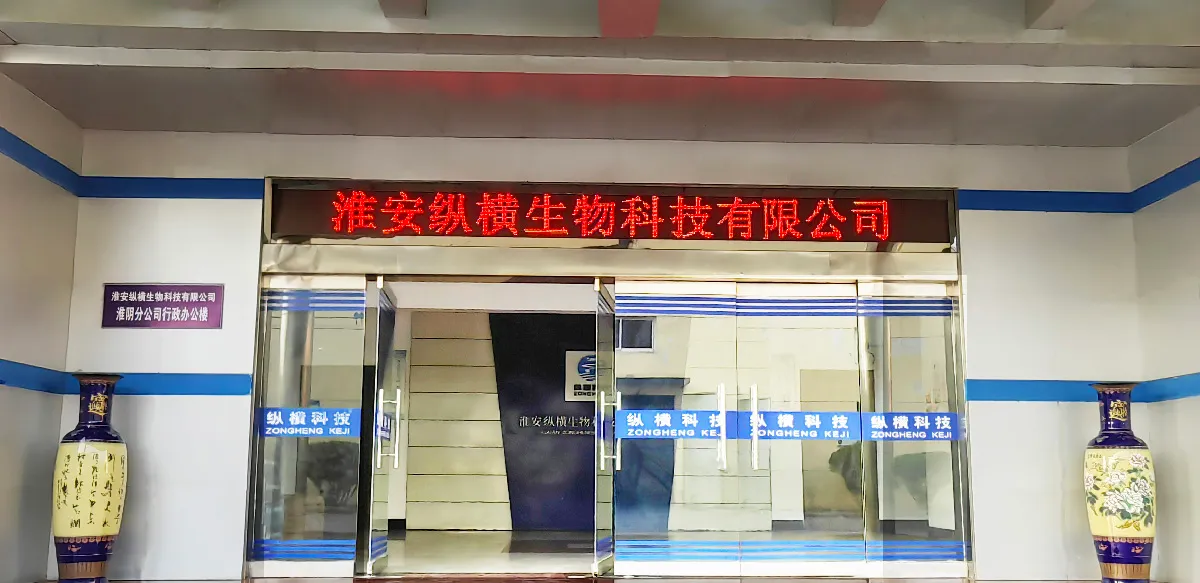
Most sourcing problems in private label toothpaste are not bad luck. They are claims a buyer never checked. A supplier says "fully certified," "factory direct," "fast delivery," and on a busy week it is tempting to take the words at face value and move on to pricing. Then a container sits at customs, or the second batch does not match the first, and the cost of skipping a five-minute check turns into months.
This is the list I would verify before signing with any toothpaste OEM supplier, mine included. Each item is something you can confirm yourself rather than take on trust, and I have noted how to check it. Run all seven and most of the suppliers who would have wasted your year fall away on their own.
1. The certificate number, not just the certificate logo
Anyone can put an "ISO 22716" or "FDA" badge in a website footer. What matters is whether there is a real, traceable certificate behind it. ISO 22716 is the cosmetic Good Manufacturing Practice standard, and a genuine one carries a certificate number issued by a named certifying body. Toothpaste is regulated as a cosmetic in most markets (and as an OTC drug where it contains fluoride), so this is not optional paperwork.
How to check: ask for the certificate as a scan, find the number and the issuing body, and confirm it independently. ISO certificates can be checked against the certification body that issued them; FDA registration can be checked through FDA's own databases. A supplier that gives you a number you can verify is showing you the truth. One that sends a logo but goes quiet when you ask for the number is showing you something too. At our factory we put four certificates in front of buyers, ISO 22716, FDA CFSAN GMP, the Chinese cosmetic production licence, and ISO 9001, each with a real number on the scan precisely so you, or your customs broker, can check them without taking our word for it.
2. The real MOQ per SKU, at your actual first-order price
Minimum order quantity is where a low headline price quietly turns expensive. A factory built for supermarket contracts often will not run below 10,000 to 30,000 units per SKU. That is fine for a chain and a cash-flow trap for a brand still testing which flavour sells.
How to check: ask three specific questions and write down the answers. What is the MOQ per SKU, not per total order? Does the MOQ change once you add custom tubes or cartons, which usually carry their own minimum from the packaging vendor? And what is the unit price at the 1,000 to 5,000 units you will actually buy first, not the price at 50,000? We set our toothpaste MOQ at 1,000 units per SKU on purpose, so a new brand can test two or three flavours in one launch. Whatever supplier you assess, do the math on your second order. If the only affordable price sits at a volume you cannot sell in six months, the cheap quote was never cheap.
3. A paid sample of the exact formula you will buy
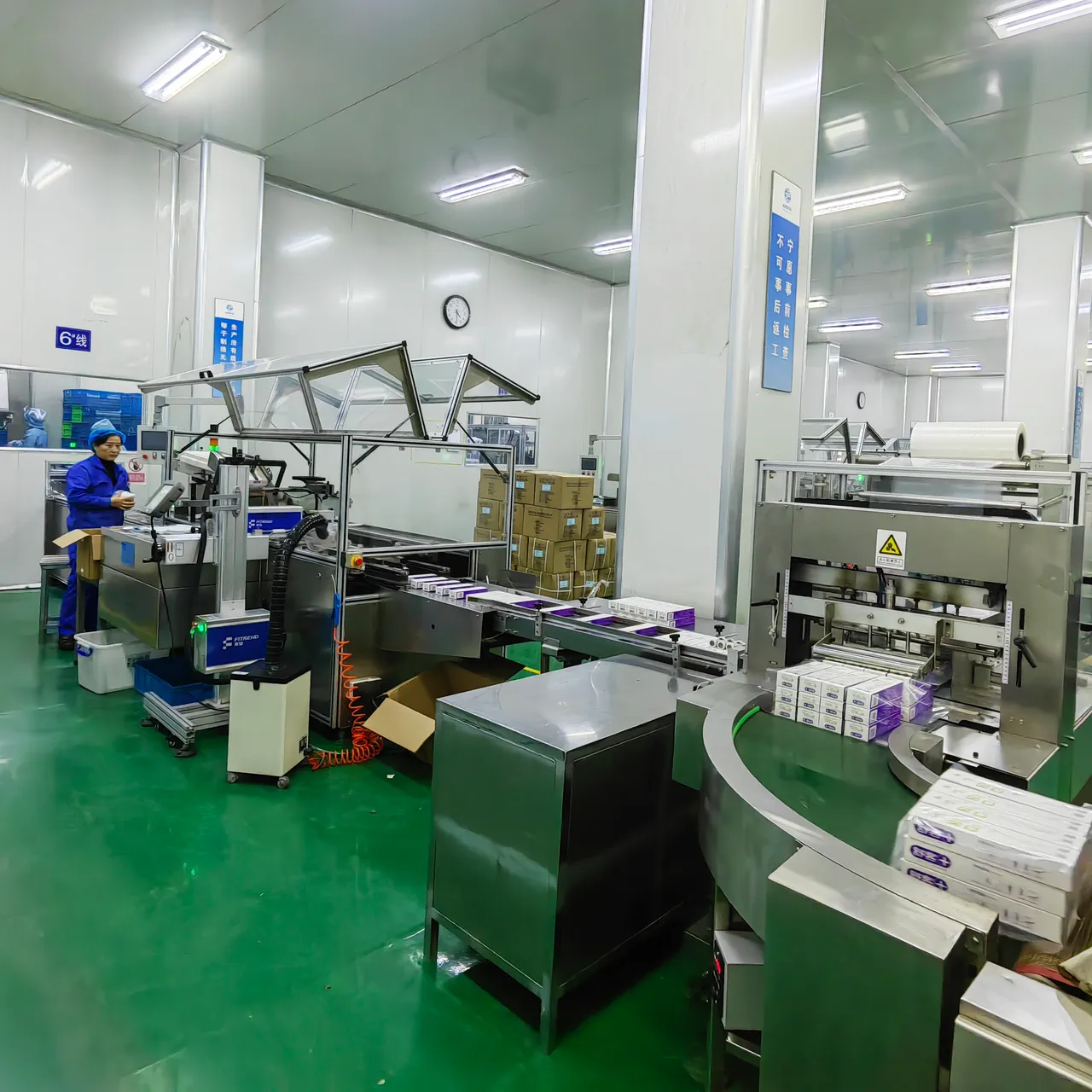
Never approve a product from a photo and a spec sheet. Texture, foam, mint level, and how the paste behaves after a month on a warm shelf are things you only learn with the tube in your hand. The sample also tells you whether you are talking to a real manufacturer or a middleman reselling someone else's stock.
How to check: order a paid sample (a serious factory usually credits the fee against your first order) and judge it against your destination market, not your own taste. Whitening that one buyer calls "strong" another calls "harsh"; foam and abrasiveness expectations shift by region. Then ask which markets the formula already ships to. If it already exports to your target region, the hard part of localisation is done. Be wary of both extremes: a supplier that refuses to sample is hiding something, and one that floods you with instant "free" generic samples and no formula conversation is usually selling you stock with your logo on it.
4. Who actually owns the formula — OEM or ODM
This decides what you are buying and what you can defend. ODM means the factory owns a tested, certified formula and you put your brand on it: faster, cheaper, lower risk, and right for most first launches. OEM means you bring or co-develop a unique formula and the factory produces to your spec: a product competitors cannot copy off a catalogue, but you fund the development and carry the regulatory work.
How to check: ask the supplier directly whether they offer both, and what the formula on the table is. A factory that only does ODM cannot grow with you into custom work; one that only does OEM has no fast, low-risk way to launch. If you are not sure which model fits your brand, our breakdown of OEM vs ODM toothpaste manufacturing walks the trade-off point by point. We run both, with 30 production lines (12 for paste compounding, 18 for filling), so a brand can start small on a stock formula and scale into bespoke production without changing suppliers halfway through.
5. Who prepares the export documents and compliance labels
This is the item buyers forget, and it is the one that strands a container at the border. The certification, the safety data, and the destination-language labelling all have to be done by someone, and "someone" is not automatically the factory.
How to check: ask plainly, in writing, who prepares the export documents, the safety data sheets, the certification filings, and the compliance labelling in the destination language. Then settle your Incoterms, EXW, FOB or CIF, because they decide who pays for and controls each leg of the shipment and how your landed cost is calculated. A supplier who answers "that is your problem" has just added a consultant's fee and months to your launch. One who says "we provide the conformity documentation and the labels" has removed your single biggest risk. We treat export documentation as part of the job, not an extra.
6. EAC and EAEU readiness, if you sell into Russia
If your market is Russia or the wider EAEU, this is the difference between a launch and a stranded shipment. Toothpaste falls under the technical regulation TR TS 009/2011, and the requirement depends on the formula. A standard adult paste usually clears on a Declaration of Conformity, but fluoride above 0.15%, children's, whitening and peroxide products need state registration (СГР), which is slower and more expensive. Russian listings on Ozon or Wildberries also need Russian-language compliance labelling.
How to check: match your products against the СГР triggers above and ask the supplier directly whether they have shipped to Russia or the EAEU before, and what documentation they provide. Russian buyers verify suppliers by law-entity checks they cannot run on a Chinese factory, so verifiable certificate numbers, factory photos and a clear EAC answer do that trust work instead. A supplier that already understands the difference between a Declaration and an СГР, and tells you which one your specific product needs, is telling you they have done this before. We treat EAC and EAEU documentation as part of the job; see our OEM and export services for how that fits into a full private label run.
7. Response speed and on-time delivery, as numbers you can hold them to
How a supplier answers while they still want your business is the cheapest forecast you will get of how they behave after the deposit clears. If a quote takes four days now, picture the silence later.
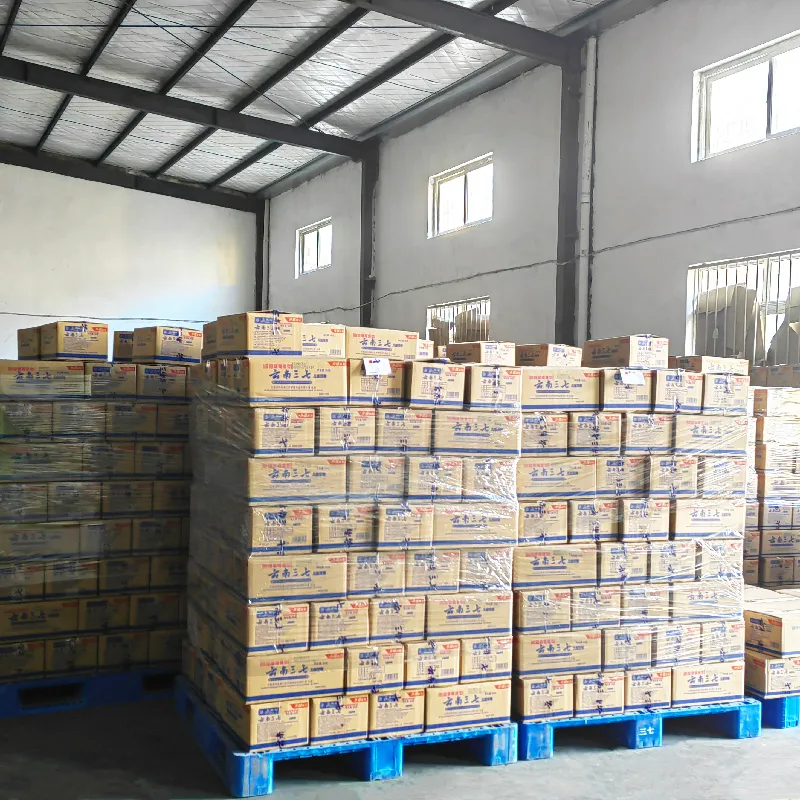
How to check: ask for two figures directly and test one of them in real time. Ask for their inquiry response rate (our own on-platform rate runs around 97.78%, and that is the bar I would hold any supplier to) and their on-time delivery rate, then ask what "on time" means in their definition. A 100% on-time record only means something if the clock starts at order confirmation, not at the moment they happen to have stock. The live test is simpler still: send a detailed enquiry and time the reply. Slow, partial answers during courtship become missed shipments during the relationship.
The seven, in one pass
Before you sign with a toothpaste OEM supplier, confirm you can independently verify: a real certificate number, an honest MOQ at your true first-order price, a paid sample of the exact formula, who owns that formula, who prepares the export paperwork, EAC or destination-market readiness, and response and delivery rates you can hold them to. None of these takes long. Together they separate a supplier who can still ship, certified and on time, on your second and third order from one who only looked good in the quote.
Newer to the wider process? Start with our buyer's checklist for choosing a manufacturer, then the step-by-step guide to launching a private label brand. And if you want to run this list against a real supplier, we are happy to be one of the ones you pressure-test: ask us for a sample and a real quote at your launch volume, and check us against all seven.