
The question every private label buyer asks first is "what does it cost," and the honest answer is that no factory can give you a real number until it knows five things about your product. I am not being evasive here. A unit price for toothpaste is built from a formula, a package, a certification path, a volume and a freight leg, and changing any one of them moves the figure. What I can give you, and what this guide is, is a clear map of how that price is built, what the minimum order quantity (MOQ) actually buys you, and what the sampling stage involves, so that when you do ask for a quote you can read it instead of just hoping it is fair.
This is written from the factory side, by someone who quotes these orders every week. I am going to be specific about how we work, including our real MOQ and certificate numbers, but I am deliberately not going to invent a per-tube price, because a per-tube price quoted without your formula and packaging in front of me would be a guess dressed up as a fact, and a guess is exactly what gets a new brand into trouble.
Start with MOQ, because it decides whether you can even play
Minimum order quantity is the first wall a new brand hits, and it is worth understanding why it exists rather than treating it as an arbitrary obstacle. A toothpaste line does not switch products for free. Between two runs the compounding tanks and the filling heads have to be cleaned down, the line has to be reset, a new batch of paste has to be mixed and tested, and your specific tubes and cartons have to be loaded. That changeover costs the same whether you order a thousand units or fifty thousand. The MOQ is the volume at which that fixed setup is spread thin enough for the run to make sense for both sides.
That is why a factory built for supermarket contracts often will not look at an order below 10,000 to 30,000 units per SKU. Their whole cost model assumes long runs, and a small order simply loses them money. It is also why that kind of factory is the wrong partner for a launching brand, not because they are bad, but because their economics and yours do not fit.
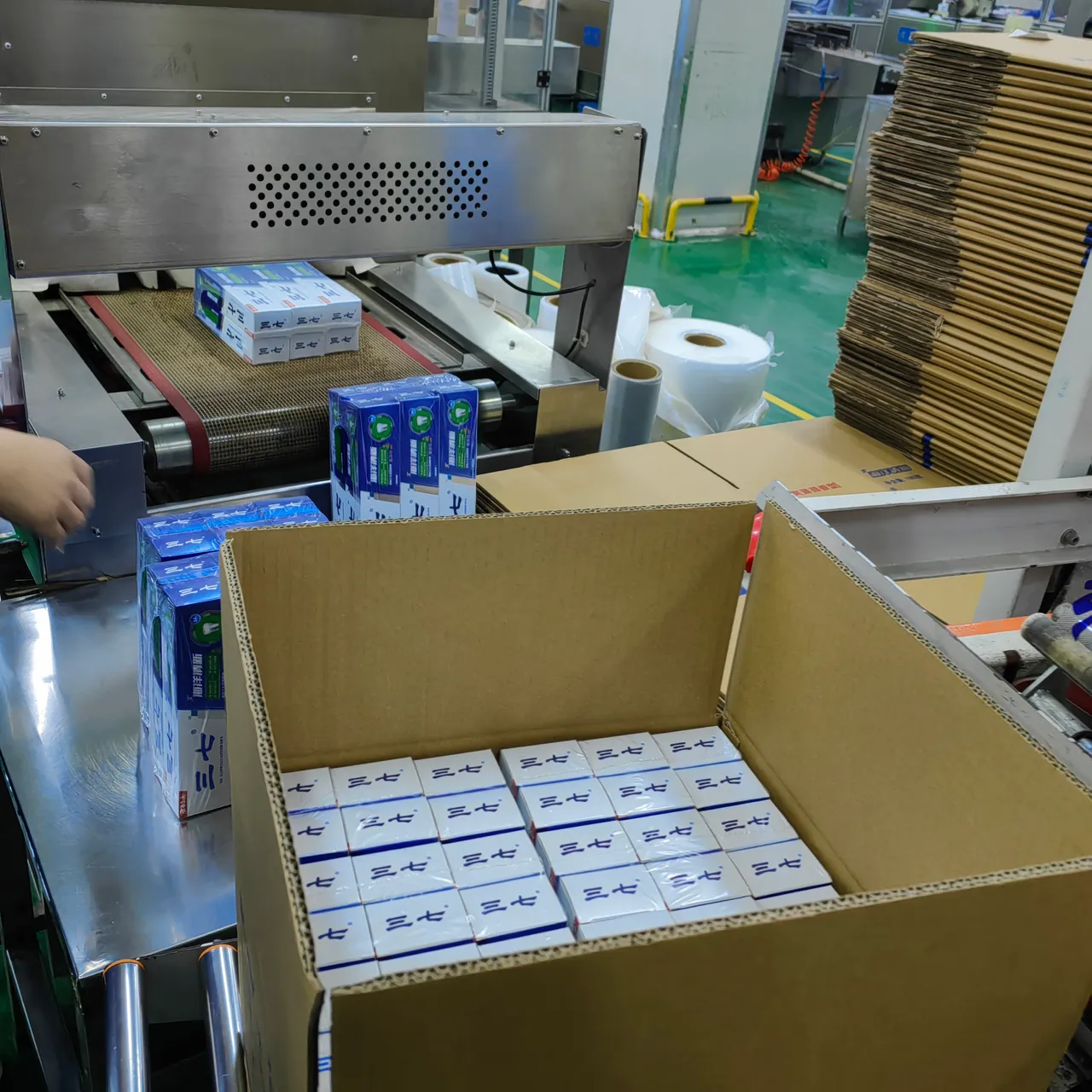
We set our toothpaste MOQ at 1,000 units per SKU, and the reason is specific. A new brand needs to test before it scales. At 1,000 units you can put two or three flavours or formats into one launch, see which one actually sells, and reorder the winner, instead of betting your entire budget on a single guess at 30,000 units of inventory you might not move. The trade you accept for that low minimum is an honest one: the unit price at 1,000 units is higher than the unit price at 20,000, because the setup cost is spread over fewer tubes. That is not a penalty, it is arithmetic, and any factory that pretends the small run costs the same per unit as the big one is hiding something you will pay for later.
One thing buyers miss: the paste MOQ and the packaging MOQ are two different walls. We can run 1,000 units of paste, but a custom-printed tube or a custom carton carries its own minimum from the packaging vendor, and that minimum is often higher than the paste minimum. So when you plan your first order, ask about both. Sometimes the smart first move is a stock tube with a custom printed carton or a custom label, which keeps your packaging minimum low while you prove the product, and a fully custom tube comes on the reorder once you know it sells.
The five things that actually set your unit price
When you finally get a quote, the number on it is the sum of five inputs. If you understand each one, you can see where your own choices are pushing the price up or down, and you can ask the factory the right question instead of just pushing back on the total.
1. The formula
This is the biggest swing, and the one buyers underestimate. The paste inside the tube can cost very different amounts depending on what is in it. A standard mint fluoride paste uses common, inexpensive ingredients and sits at the low end. Push into actives and the cost climbs: a hydroxyapatite remineralising formula, a whitening system, a high concentration of botanical extracts like aloe and propolis, or a children's formula with specific safety constraints all cost more to make per unit. A V34 purple colour-corrector uses pigments and a particular base that a plain white paste does not.
So the first lever on your price is a product decision, not a negotiation. If you want to hit an aggressive retail price, the formula choice has to support it. If you want a premium positioning, the formula cost is part of the story you are selling. The mistake is choosing a premium formula and then being shocked the unit cost is not the same as a generic mint paste. Decide what you are selling first, and let the formula cost follow from that.
2. The packaging
People think of toothpaste as the paste, but a meaningful slice of your unit cost is the tube, the cap, the carton, and the printing on them. A plain stock tube with a one-colour print is cheap. A laminate tube with full-wrap multicolour printing, a custom cap, a foil-blocked carton and an insert is a different number entirely, and for some premium brands the packaging costs as much as the paste.
Packaging is also where your own taste can quietly blow the budget. Every extra print colour, every special finish, every non-standard tube diameter adds cost and often adds its own minimum order. The discipline that keeps a first launch affordable is to spend your packaging budget where the shopper actually sees it, which on a marketplace thumbnail is the front-of-carton design, and to resist paying for finishes that photograph identically to the cheaper option.
3. Certification and compliance
This one does not show up as a line item on the per-tube price, but it is absolutely part of your landed cost, and ignoring it is how launches blow their budgets. Toothpaste is regulated as a cosmetic in most markets, and as an over-the-counter drug in some, so each destination has a paperwork cost attached.
The size of that cost depends, again, on your formula and your market. A standard adult paste sold into the Eurasian Economic Union usually clears on a Declaration of Conformity, which is the lighter route. But a list of formulas triggers full state registration, the СГР, which takes longer and costs more: fluoride above 0.15%, children's toothpaste, whitening including the V34 type, and peroxide products. Selling into the United States, fluoride toothpaste is an FDA-regulated OTC drug with its own monograph and labelling rules. Into the EU you need a Cosmetic Product Safety Report and a Responsible Person. None of that is free, and the buyers who run into trouble are the ones who priced the paste and the packaging and forgot the compliance entirely. We work from an ISO 22716 cosmetic GMP base and carry four certificates with real numbers (ISO 22716 CN14/21829, FDA CFSAN GMP CN14/21830, the Chinese cosmetic production licence, and ISO 9001), which is what lets us support the destination paperwork rather than leaving it as your problem. If you sell into Russia, our guide to the Russian market and EAC compliance walks through which formulas need which route.
4. Volume
This is the lever you control most directly. The more units you run, the lower the per-unit setup cost, and the lower your price. The curve is steep at the bottom: the jump from 1,000 to 5,000 units usually moves the unit price more than the jump from 20,000 to 50,000, because at the small end the fixed setup is a large share of each tube. This is exactly why the right question to a factory is never just "what is your price," but "what is my price at 1,000, at 5,000 and at 20,000," so you can see the curve and plan your second order against it.
5. Freight and terms
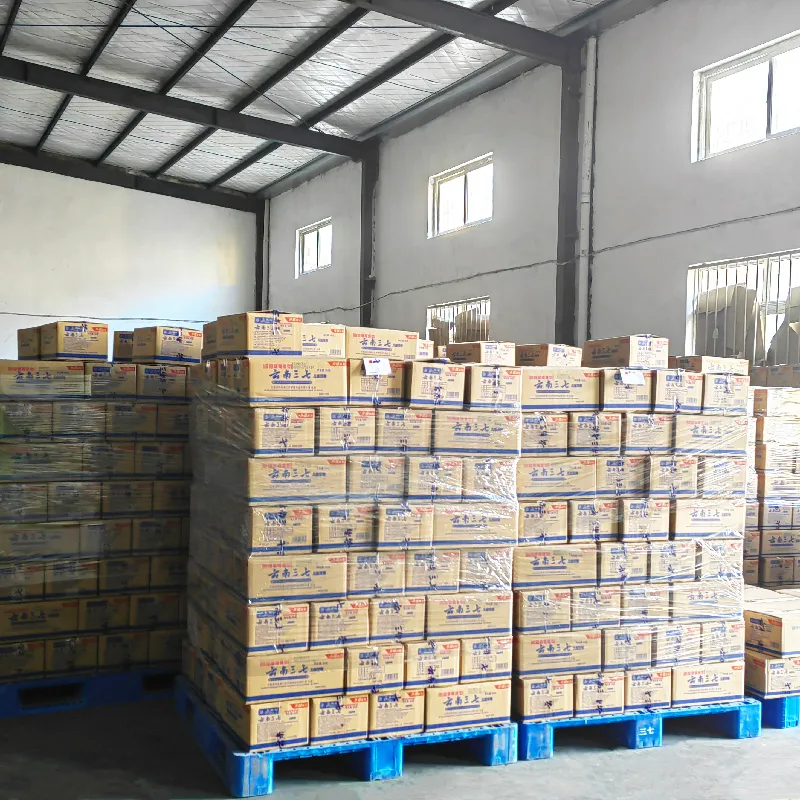
The last input is getting the goods from the factory to you, and it is one buyers routinely leave out of their margin maths until it is too late. Toothpaste ships by sea for any serious volume, and your landed cost depends on whether you take a full container (FCL) or share one (LCL), the route to your port, and the Incoterms you agree. A price quoted FOB (loaded onto the ship at our port) is a different number from one quoted CIF (delivered to your port with freight and insurance included), and comparing two suppliers on different terms is comparing two different things. Always confirm the term, and always add the legs the quote does not cover, the freight, the duty, the customs clearance and the inland delivery, before you decide what your real cost per unit is.
What sampling actually involves, and why you pay for it
Before any of that becomes a production order, there is the sample, and this is the stage where a serious buyer separates a real factory from a trader. A sample is not a free giveaway, and you should be slightly wary of a supplier who treats it as one.
There are really two kinds of sample, and they cost different things. The first is an existing stock formula: if you want to feel our standard whitening paste or the aloe and propolis fluoride-free line, we can send that quickly, often for just the cost of the sample and the courier, and in many cases we credit that fee against your first order. The second is a custom development sample, where you want a specific formula, flavour, texture or claim that does not yet exist. That one costs real money and takes real time, because it means lab work: formulating to your brief, making a trial batch, and running stability testing so you know the paste will still be the same paste after months on a warm shelf. Paying for that is not the factory squeezing you. It is the factory doing the work that stops you launching a product that separates or goes off in a Dubai summer.
What you do with the sample matters as much as getting it. Judge it against your destination market, not your own preference: a foam level or mint intensity that reads as right in one country reads as wrong in another. Ask which markets the formula already ships to, because a formula already exported to your region has had its localisation problems solved. And treat the sample stage as your test of the relationship too. How fast they respond, how precisely they answer your formula questions, and whether they push a stock product when you asked for something specific all tell you what the production phase will feel like. Our own on-platform response rate runs around 97.78%, and I mention it because response speed during sampling is the cheapest forecast you will ever get of how a supplier behaves once your deposit has cleared.
How to build a first-order budget that survives contact with reality
Putting it together, here is how I would tell a buyer to budget a first private label run, in order, so nothing ambushes you at the border.
- Decide the formula first, because it sets both the unit cost and the certification path. A premium active formula and an aggressive retail price are not compatible, so choose which one you are actually after.
- Cost the packaging as its own line, and check its minimum order separately from the paste. Keep custom finishes where the shopper sees them and stock elsewhere on the first run.
- Budget the compliance for your specific market, not a generic figure. Find out early whether your formula clears on a declaration or needs full registration, because that single fact moves your timeline and your cost.
- Ask for the price at three volumes, 1,000, 5,000 and 20,000, so you can see the curve and plan the reorder, not just the test.
- Pin down the Incoterm and add the freight legs the quote does not include before you call any number your real cost.
- Pay for a proper sample and judge it against your market, treating the sampling stage as your audit of the supplier as well as the product.
The honest bottom line on cost
A private label toothpaste price is not a single number a factory is hiding from you. It is the sum of a formula you choose, a package you design, a compliance path your market dictates, a volume you commit to, and a freight leg you arrange. A good supplier will not give you a per-tube figure out of the air, because that figure would be wrong. A good supplier will give you the price at the volumes you ask about, broken down enough that you can see what is driving it, and will tell you which of your own choices are pushing it up. That transparency is worth more than a low headline number, because the low number that hides a high packaging minimum or a missing certification cost is the one that wrecks a launch.
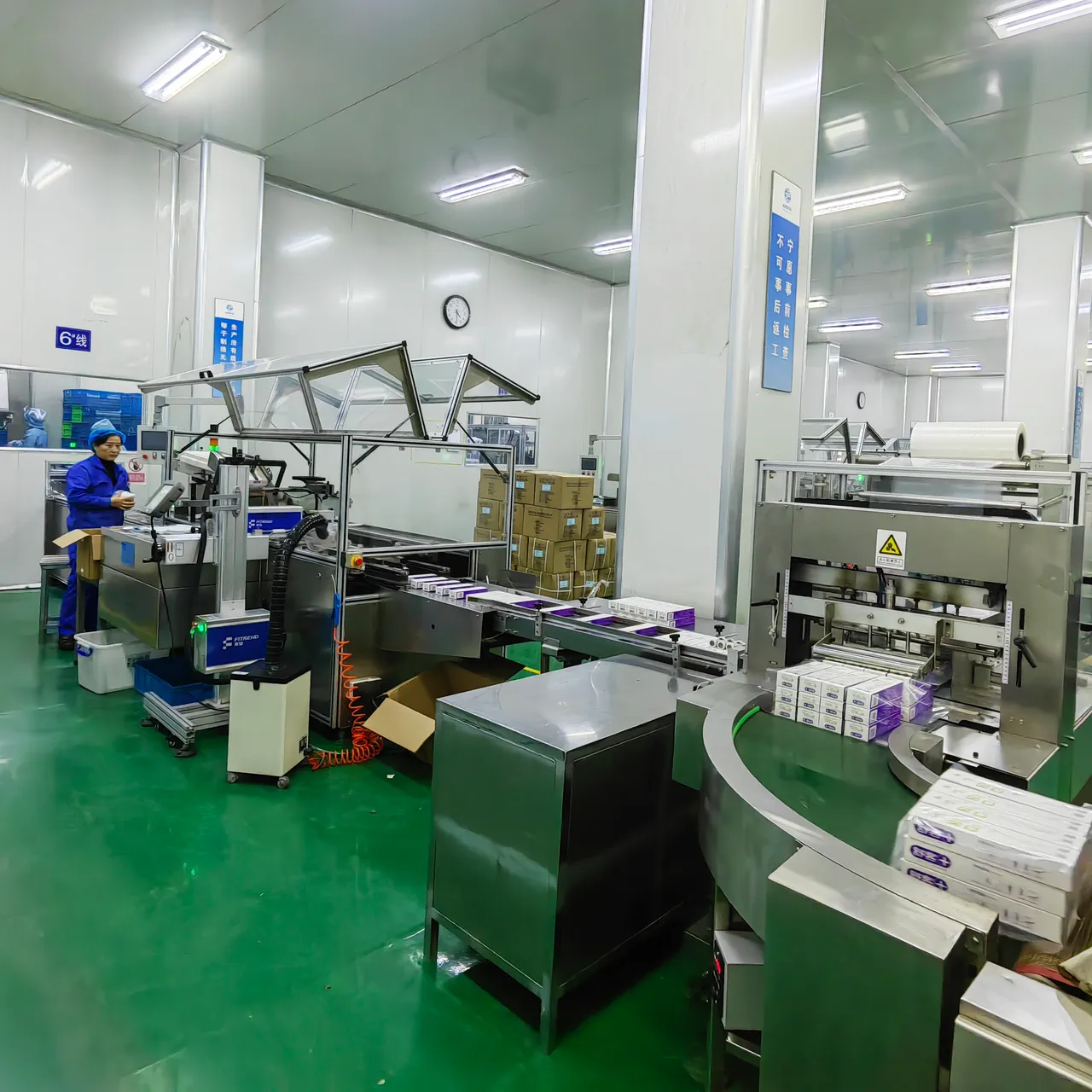
We run thirty production lines, twelve for paste and eighteen for filling, with a capacity around 360 million tubes a year and an MOQ of 1,000, specifically so a brand can start small, test cheaply, and scale into volume pricing without ever changing factory. If you are pricing a first run, the most useful thing you can do is come to us with your formula direction, your target market and your launch volume, and we will build the quote against those instead of guessing.
To go deeper before you start: the step-by-step guide to starting a private label toothpaste brand sets the cost discussion inside the full launch timeline, the buyer's checklist for choosing a manufacturer covers who to trust with the order, the comparison of OEM and ODM explains why a custom formula costs more than a stock one, and the seven things to verify before signing shows how to check a supplier yourself. You can also see how this fits a full run on our OEM and export services page, or which buyer types we price for on the applications page. Ask us for a sample and a quote at your real volume, and bring your formula and market to the first conversation rather than the last.