
The short answer most buyers need: if you do not already own a toothpaste formula, you want ODM. The factory supplies a tested, certified product and you put your brand on it, so you reach the market in weeks at a low minimum order. OEM is for when you bring your own formula and need it produced to spec. It gives you a product nobody else can copy, but you pay for development, wait longer, and carry the regulatory work. Most first-time private label brands should start ODM and graduate to OEM once they know what sells.
That is the decision in one paragraph. The reason it trips people up is that the two acronyms get used loosely, suppliers blur them in quotes, and the wrong choice quietly sets your budget and timeline before you have written a single cheque. Here is how the two models actually differ, and how to pick.
What ODM and OEM actually mean in toothpaste
ODM stands for Original Design Manufacturer. The factory already owns the formula, the packaging templates, and the certifications. You choose from a tested catalogue, add your logo and artwork, and the factory ships a finished product under your brand. Think of a V34 colour-corrector whitening paste, an aloe and propolis fluoride-free herbal line, or a children's formula that the factory has already developed, registered and exported. You are buying a proven product, not designing one.
OEM stands for Original Equipment Manufacturer. You bring the formula, or co-develop one with the factory's lab, and they manufacture to your specification. The recipe, the texture, the active ingredients, the claims are yours. You own something a competitor cannot pull off the same supplier's shelf. In exchange you fund the development, you wait for formulation and stability testing, and you are responsible for getting that brand-new formula certified for each market.
One nuance catches buyers out: "private label" is a third term people mistake for a third model, but it isn't one. Private label just means selling under your own brand, and you can do that through either route. ODM private label is the fast path; OEM private label is the custom path. So the real question to settle first is ODM or OEM.
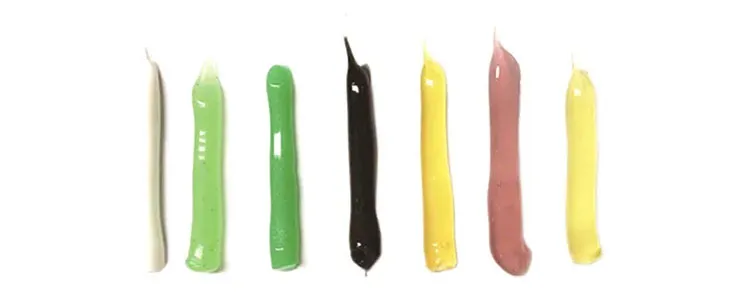
OEM vs ODM compared, point by point
Six factors decide which model is right, and they pull in opposite directions. Below is the honest trade-off on each.
Speed to market
ODM wins, and it is not close. Because the formula already exists and is already certified, an ODM run can go from sample approval to shipped goods in a matter of weeks once your artwork is final. An OEM project adds formulation, stability testing, and fresh certification on top, which routinely pushes a launch out by months. If your window is a seasonal push or a marketplace launch date, that gap decides the whole plan.
Cost to start
ODM is cheaper to begin because the expensive part, developing and proving the formula, is already paid for and spread across every brand that uses it. With OEM you fund that development yourself. You are paying for lab time, trial batches, and the testing that proves the product is stable and safe. For a first product, that development spend often dwarfs the cost of the paste itself.
Minimum order quantity
ODM lets you start small. A stock formula can run at a low minimum because the factory already produces it for others. OEM minimums tend to be higher, since the factory is setting up a bespoke run and wants the volume to justify it. We set our toothpaste MOQ at 1,000 units per SKU on the ODM side specifically so a new brand can test two or three flavours in one launch without committing to inventory it cannot move. Ask any supplier for the real MOQ per SKU under each model before you assume the custom route is affordable at launch volume.
Differentiation
OEM wins here. An ODM product is, by definition, available to anyone else who walks into the same factory. That is fine when you compete on brand, packaging, story and distribution, which is most of the market. But if your entire pitch is a unique formula, a patented active, or a claim no one else can make, ODM cannot give you that and OEM can. The moat is real, but you pay for it in time and money.
Certification and regulatory burden
This is the factor buyers underestimate most. Toothpaste is regulated as a cosmetic (and, where it contains fluoride, often as an OTC drug), so every formula needs the right paperwork for its destination. With ODM, the certification already exists: the formula has been through ISO 22716 cosmetic GMP production and, depending on market, FDA drug GMP registration or EAC conformity. With OEM, your new formula starts that process from zero, and for higher-risk categories the clock is long. Selling into Russia and the EAEU, for instance, a standard adult paste may clear on a Declaration of Conformity, but fluoride above 0.15%, children's, whitening and peroxide formulas need state registration (СГР), which is slower and more expensive. A custom OEM whitening formula inherits all of that.
Risk
ODM is lower-risk because the product is proven: the formula is stable, the certificates are real, and the factory has shipped it before. OEM concentrates risk in the development phase, where a formula can fail stability testing, miss a certification requirement, or simply underperform what the spec promised. Neither model is wrong. The choice comes down to whether you are buying certainty or buying uniqueness.
The trade-off at a glance
| Factor | ODM (factory's formula) | OEM (your formula) |
|---|---|---|
| Speed to market | Weeks | Months |
| Cost to start | Lower | Higher (you fund development) |
| Minimum order | Low (e.g. 1,000/SKU) | Higher |
| Differentiation | Brand and packaging only | Unique, hard to copy |
| Certification | Already in place | Starts from zero |
| Risk | Lower (proven product) | Concentrated in development |
| Best for | First launch, fast test | Established brand, real moat |
How to tell which one your brand needs
Run your situation through four questions and the answer usually falls out.
Do you already have a formula? If yes, you are doing OEM by definition. If no, and you do not have a specific technical reason to invent one, ODM is almost certainly your route.
What is your timeline? A launch tied to a season, a trade show, or a marketplace slot favours ODM, because OEM development will not respect your calendar. If you have six to twelve months and no hard date, OEM becomes viable.
What does differentiation mean for your brand? If you win on packaging, positioning, audience and channel, ODM gives you everything you need and lets you spend your money on marketing instead of lab time. If your whole reason to exist is a formula no one else has, you need OEM.
How much capital can you put at risk before the first sale? ODM lets you test cheaply and learn from real demand. OEM asks you to commit to development before a single unit sells. New brands almost always benefit from learning first.
The path most brands actually take
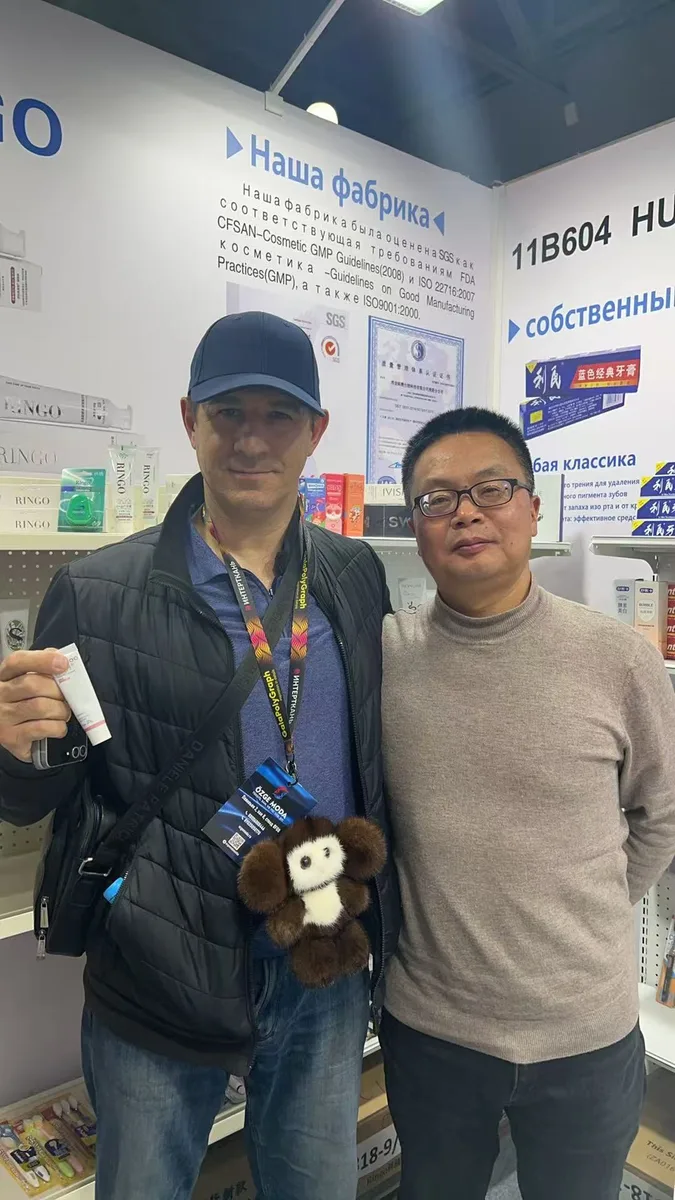
In practice the smart move is sequencing them: ODM first, OEM later. Start with a tested, certified stock formula so you can get to market fast and cheap, sell it, and watch which SKU actually moves. Once real demand tells you what your buyers want, you have earned the right to invest in a custom OEM formula and build the moat, this time with data instead of a guess.
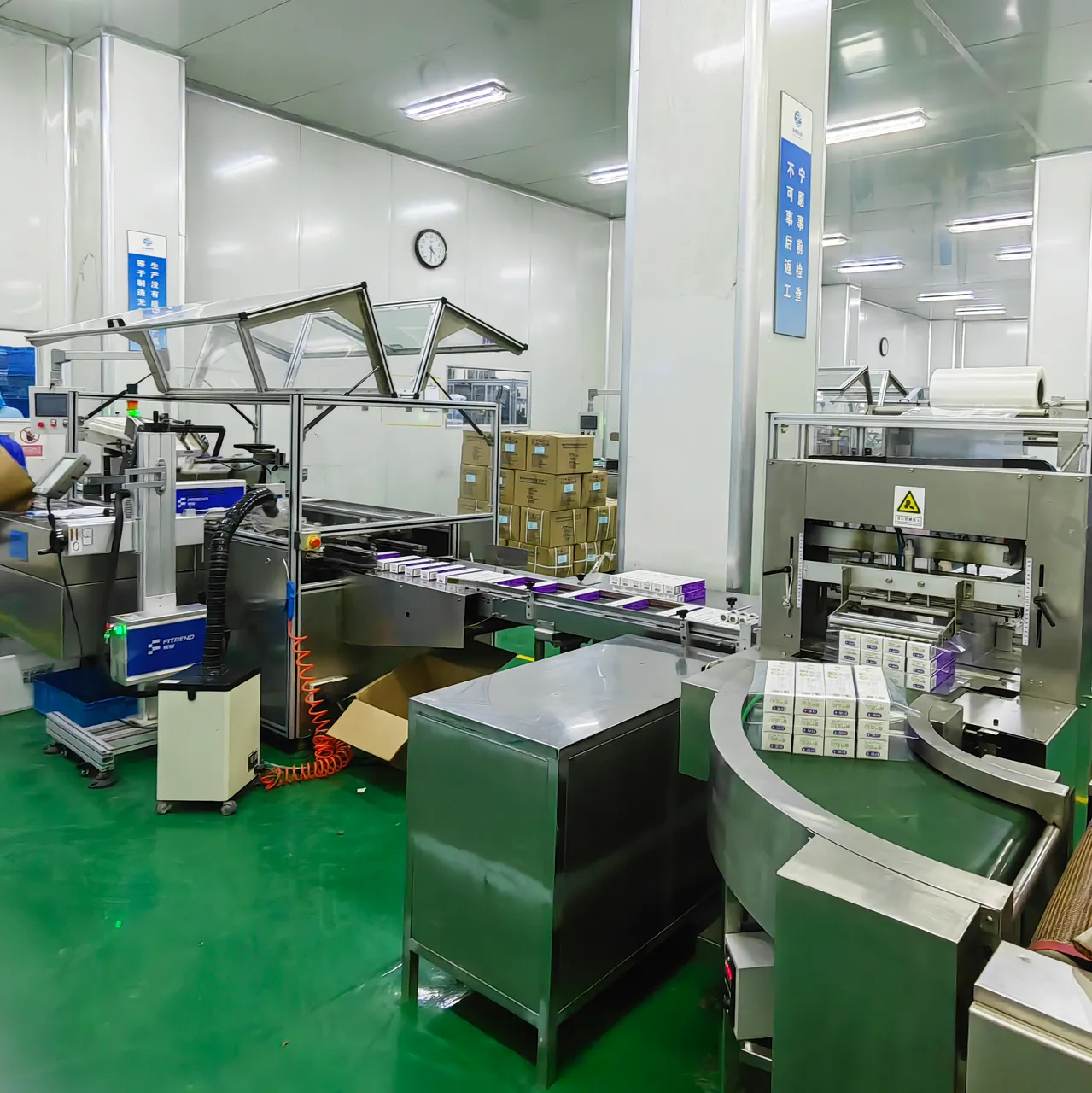
The one thing to protect against is being forced into the wrong model by the factory's limitations. A supplier that only does ODM cannot grow with you into custom work. A supplier that only does OEM has no fast, low-risk way to launch. We run both, with 30 production lines (12 for paste compounding, 18 for filling) precisely so a brand can start small on a stock formula and scale into bespoke production without changing suppliers, certificates, or relationships halfway through.
The bottom line
ODM and OEM are not a quality ranking; they are a fit decision. ODM trades uniqueness for speed, low cost and low risk, which is exactly what a first launch needs. OEM trades time and money for a product competitors cannot copy, which is what an established brand needs to defend a position. Pick by your formula, your timeline, your kind of differentiation, and your appetite for risk, and most new brands will land on ODM first.
If you are weighing the two for a specific product, we are happy to walk both routes with you on a real example: what an ODM launch of a tested formula would cost and how fast it would ship, against what a custom OEM version would take in time, MOQ and certification. Ask for a sample and a quote on each, and decide with numbers in front of you.
New to the wider sourcing process? Start with our buyer's checklist for choosing a manufacturer, then the step-by-step guide to launching a private label brand. Once you have a shortlist, run it against the seven things to verify before choosing a toothpaste OEM supplier. And if you sell into Russia, the Russian private label toothpaste market and EAC compliance shape which model and formula clear customs there.