
Starting a private label toothpaste brand is less about inventing a product and more about making a series of decisions in the right order. Pick a niche, choose a formula that's already certified for where you sell, lock the packaging and the numbers, then handle export and customs before the goods move. Skip the order and you end up with a beautiful tube you can't legally sell, or a great formula sitting in a warehouse because the carton wasn't ready. This guide walks the launch the way it actually happens, from idea to a container clearing the border.
I've taken a lot of first-time brand owners through this, and the ones who succeed treat it as a project with stages, not a single shopping trip. Here's the sequence.
Step 1: Pick a niche before you pick a product
The generic "fresh mint, white tube" space is crowded and competes on price, which is the worst place for a small brand to be. The money is in a specific buyer with a specific want. A few niches that are genuinely moving in 2026:
- Colour-correcting whitening — V34-style purple toothpaste that neutralises yellow tones optically. It rode a wave on social video and still converts because the effect is visible on day one.
- Fluoride-free and natural — aloe, propolis, and herbal formulas for buyers who specifically avoid fluoride. This shopper reads ingredient lists and pays a premium for a clean one.
- Children's oral care — lower fluoride or fluoride-free, mild flavour, character packaging. One caveat: children's formulas usually carry heavier regulation, and that pushes out your timeline.
- Sensitivity and gum care — a steady, less trend-driven segment with loyal repeat buyers.
Choose one and build the brand around that buyer, rather than launching five products and hoping one lands. Your first run should test a tight range, not a full catalogue.
Step 2: Decide ODM or OEM (it changes everything downstream)
This single choice sets your budget, your timeline, and your risk.
ODM means the factory already owns a proven, certified formula and you put your brand on it. It's faster, cheaper, and lower-risk because the product is already tested and the certificates already exist. Most first-time brands should start here: pick from a tested catalogue such as a V34 colour-corrector, an aloe and propolis fluoride-free line, or a children's paste, and go to market in weeks rather than months.
OEM means you bring or co-develop a unique formula and the factory produces to your spec. You get something competitors can't copy off a catalogue, but you pay for development, you wait longer, and you carry the regulatory work of registering a brand-new formula.
The honest advice: start ODM to learn what your market actually buys, then move to OEM once you know what sells and want a moat. A factory that offers both means you're not forced to make this decision permanent on day one. We run 30 production lines — 12 for paste compounding and 18 for filling — specifically so a brand can start small on a stock formula and scale into custom work without changing suppliers.
Step 3: Sort certification for your market, early
Toothpaste is regulated, and the certification you need is decided by where you sell, not where it's made. Get this wrong and the product is stuck at the border. The factory's baseline should be ISO 22716, the cosmetic GMP standard, with a verifiable certificate number. On top of that:
- United States: fluoride toothpaste is an OTC drug, not just a cosmetic, so the manufacturer should be registered under FDA drug GMP and able to support OTC monograph compliance and labelling.
- European Union: ISO 22716 plus a Cosmetic Product Safety Report and a Responsible Person based in the EU.
- Russia and the EAEU: EAC conformity. Standard adult paste often clears on a Declaration of Conformity, but fluoride above 0.15%, children's, whitening and peroxide products need state registration (СГР), which is slower and more expensive.
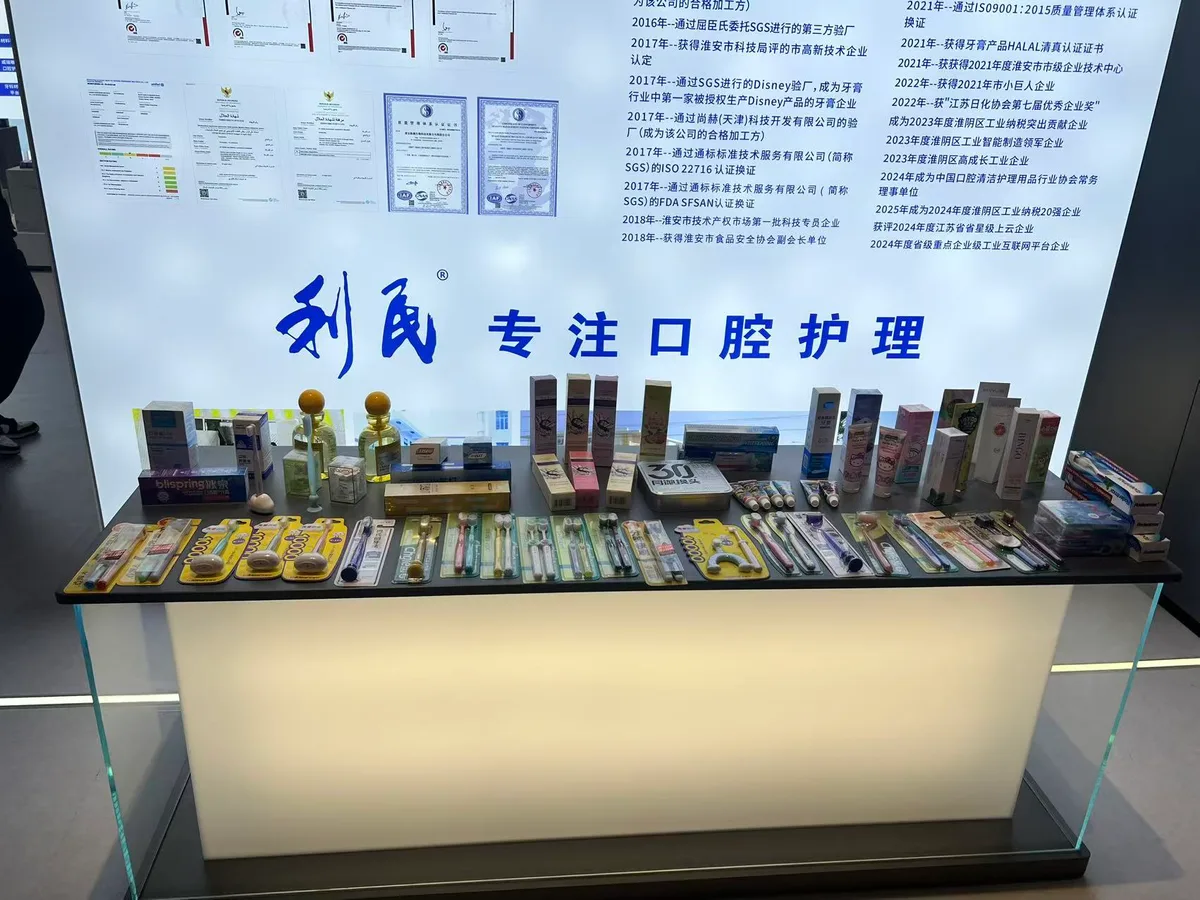
At our factory the four certificates we put in front of buyers are ISO 22716, FDA CFSAN GMP, the Chinese cosmetic production licence, and ISO 9001 — each with a real number on the scan that you, or your customs broker, can verify. Ask early who handles the destination-market filing. If the answer is "that's your problem," budget for a consultant and add months. If it's "we provide the conformity documentation and compliance labels," you've removed your biggest launch risk.
Step 4: Lock the formula with a real sample
Never sign off a product from a photo and a spec sheet. Texture, foam, mint level, and how the paste behaves after a month on a warm shelf are things you only learn with the tube in your hand. Order a paid sample (a serious factory will usually credit the fee against your first order) and judge it against your destination market, not your own palate. Whitening that reads "strong" to one buyer reads "harsh" to another; foam and abrasiveness expectations shift by region. Ask which markets the formula already ships to; if it already exports to your target region, the hard part of localisation is done.
Step 5: Design packaging that's legal, not just pretty
Packaging is where branding meets regulation, and the legal side is the part new owners underestimate. Beyond the look, your artwork has to carry the right mandatory information for the destination: ingredient list in the required format, net weight, manufacturer and responsible-party details, warnings, and the one people miss, the text in the destination language. A Russian listing on Ozon or Wildberries needs Russian-language compliance labelling; an EU sale needs the EU format.
Two practical notes. First, custom tubes and cartons usually carry their own minimum order from the packaging vendor, separate from the paste, so confirm both minimums before you fall in love with a design. Second, build proofing time into your schedule. Artwork sign-off and packaging proofs are a common place launches quietly slip by weeks.
Step 6: Run the numbers — MOQ, unit cost, and the second order
This is where a launch is won or lost on cash flow. Minimum order quantity is the number to interrogate hardest. A factory built for supermarket contracts often won't touch anything below 10,000–30,000 units per SKU, which is a cash trap for a new brand still testing flavours. Ask for the real MOQ per SKU, not per total order, and ask what it becomes once you add custom packaging.
We set our toothpaste MOQ at 1,000 units per SKU on purpose, so a new brand can test two or three flavours in one launch without sinking the whole budget into stock it can't move. Whatever factory you choose, do the math on your second order, not your first. Get the unit price at the 1,000–5,000 you'll actually buy, not the headline price at 50,000. If the only affordable price sits at a volume you can't sell in six months, the cheap quote isn't cheap.
Budget for more than the paste: product cost, custom packaging, sampling and proofs, certification or registration fees, freight, import duties, and a buffer for the things that always come up on a first run. A realistic launch budget plans for the whole chain, not just the line on the quote.
Step 7: Production, QC, and the timeline
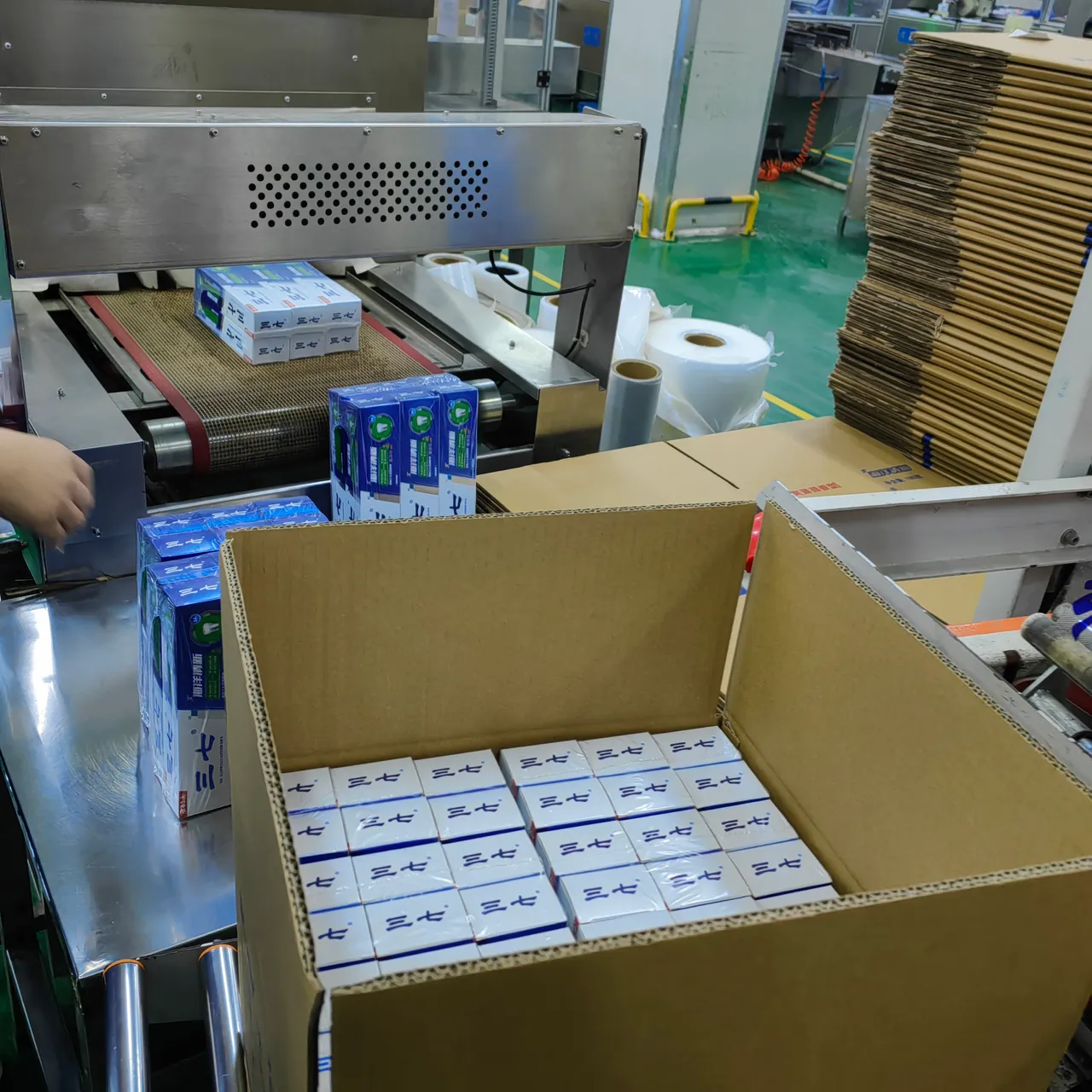
Once artwork is final and the formula is signed off, a standard private label run is typically several weeks through compounding, filling, quality control, and packing. Map the full timeline before you commit a deposit (sampling, formula sign-off, packaging proofs, production, QC, and shipping), and treat any factory quoting an impossibly short lead time as the one most likely to miss it. Ask for the real on-time delivery rate, and ask what "on time" means in their definition: the clock should start at order confirmation, not at the moment they happen to have stock.
Step 8: Export, customs, and your first shipment
The launch isn't done until the container clears the border. Decide your trade terms, EXW, FOB, or CIF, because they set who's responsible for what and how your landed cost is calculated. Incoterms aren't paperwork trivia; they decide whether you or the factory pays for and controls each leg of the journey. Then confirm, in writing, who prepares the export documents, the safety data, the certification filings, and the destination-language compliance labels. The brands that get stranded at customs are almost always the ones who assumed someone else was handling the paperwork.
Step 9: Launch, then relaunch on data
Your first order is a test, not a destiny. Sell it, watch which SKU moves, read the reviews, and let real demand, not your original guess, shape order two. This is exactly why starting ODM at a sane MOQ matters: it lets you learn cheaply, then double down on the winner or move to a custom OEM formula once you know what your market actually wants.
The short version
Niche first, then formula, then certification for your market, then a real sample, then legal packaging, then honest numbers, then production and customs in that order. Most failed launches aren't beaten by competitors. They're beaten by skipping a step and discovering it at the worst possible moment, with stock made and a border in the way.
If you're mapping out a launch now, we're happy to help you pressure-test the plan. Ask for a sample and a real quote at your launch volume, and we'll walk the certification and customs side with you so the boring steps don't become the expensive ones.